Announcing IceChunkCoin: The World's First Multi-Dimensional, Chunk-Native Blockchain Asset
Today we’re thrilled to announce IceChunkCoin, the world’s first hyper-dimensional, chunk-native blockchain asset.

Ryan Abernathey
CEO & Co-founder
17 posts
Today we’re thrilled to announce IceChunkCoin, the world’s first hyper-dimensional, chunk-native blockchain asset.
CEO & Co-founder
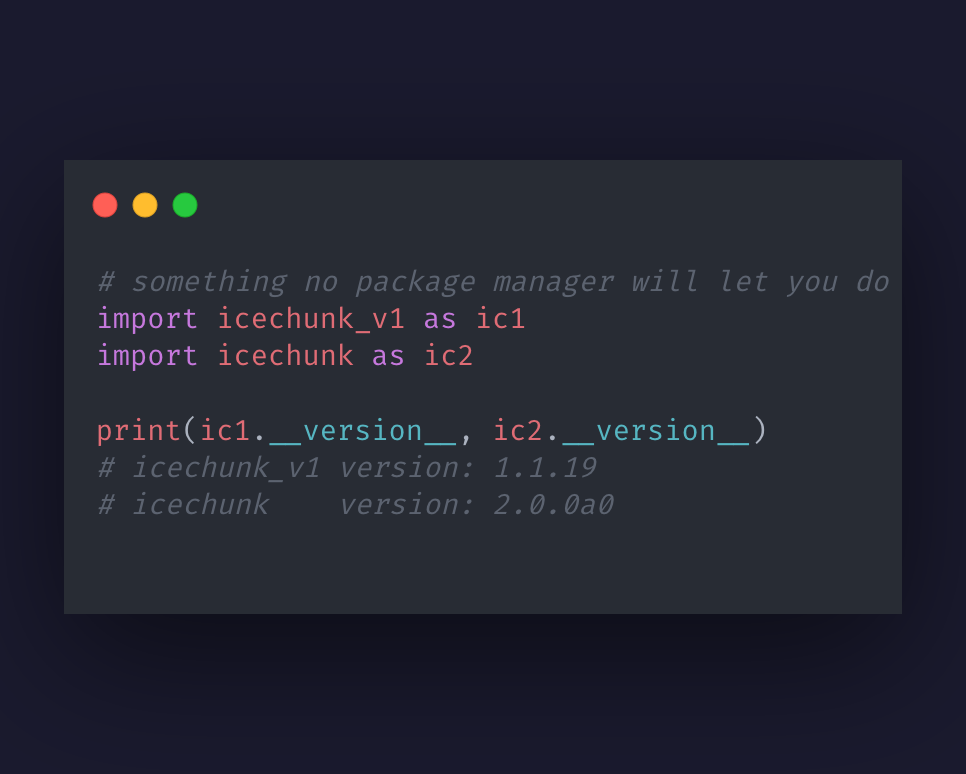
tl;dr: Technical details of how we do surgery on python wheels in order to do cross version compatibility testing. We're getting ready to release Icechunk V2 — the next evolution of our tensor storage engine. People run real workloads on Icechunk V1. They're not all going to upgrade on the same day.

Xarray Community Developer

Earthmover is building the cloud platform for scientific data, focusing on weather, climate and geospatial use cases. In these domains, tensors, not tables, are the ideal data model. We have devoted major engineering effort for the past year to Icechunk, our open-source transactional tensor storage

Staff Engineer
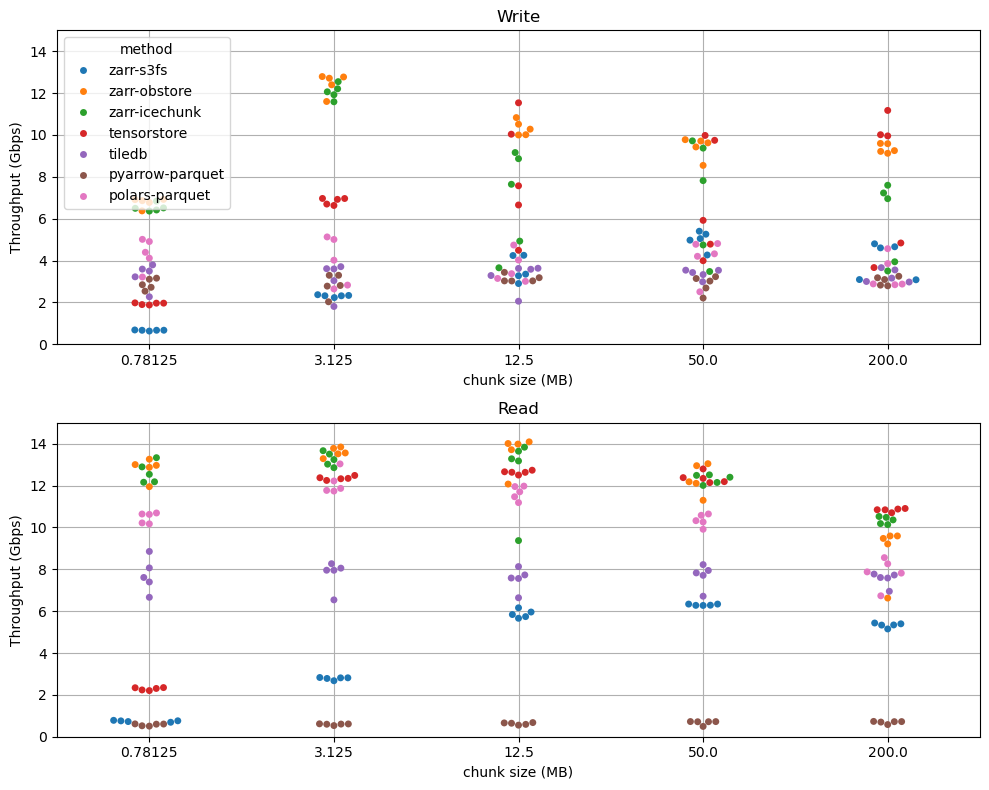
The critical role of I/O in data science and AI/ML For both analytics and AI workloads, fast I/O is the foundation of good performance. Most of these workloads involve fluxing a large amount of data from storage into RAM, and then to the CPU or GPU. In the cloud, where data reside on object storage,
CEO & Co-founder
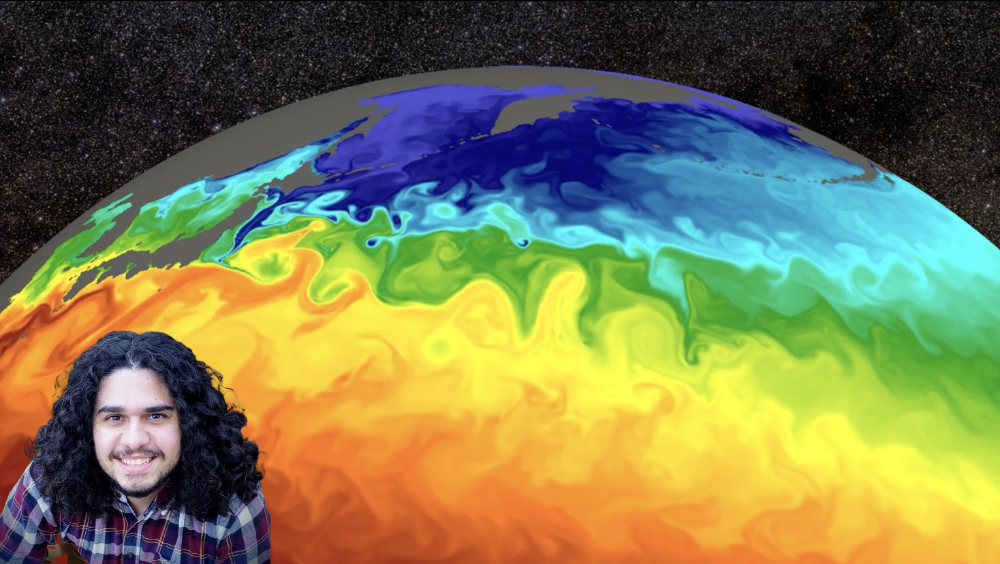
Note: this is a guest post by Woods Whole Oceanographic Institute scientist Dr. Iury Simoes-Sousa Among the many ways the ocean affects our lives, one of the most fundamental is through its ability to transport key climate variables such as heat, nutrients, and marine organisms. This transport happe

Postdoctoral Investigator, WHOI

Bring reliability, scalability, and version control to your Zarr datasets, without giving up performance. Zarr is a powerful protocol for storing large-scale, multi-dimensional arrays. It's fast, scalable, and cloud-native, which is why it's used across a variety of domains like climate science and

Software Engineer
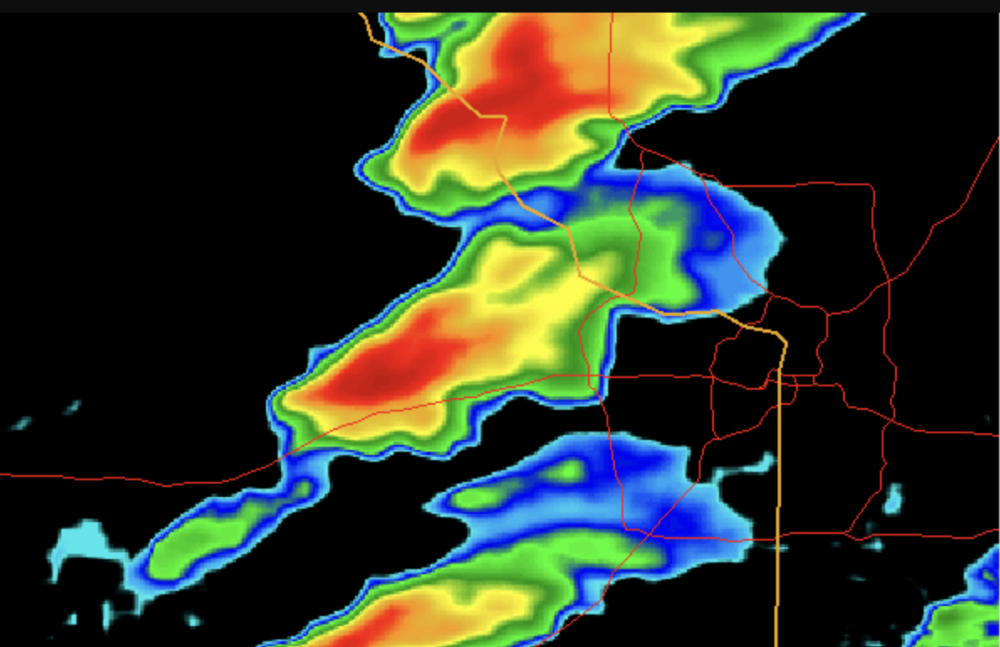
From structure to scale, radar needs a model that organizes complete collections as time-aware, cloud-native datasets. In our second post, we looked at how new standards and open-source tools are transforming weather radar from raw binary blobs into structured, metadata-rich datasets. FM-301—an offi

Data Scientist
A year ago, we made an important internal decision which set Earthmover on a new course—we decided to refactor and open source our core technology for storing array-based data in the cloud. This took the form of the Icechunk project, an open source package and specification enabling database-style t
CEO & Co-founder
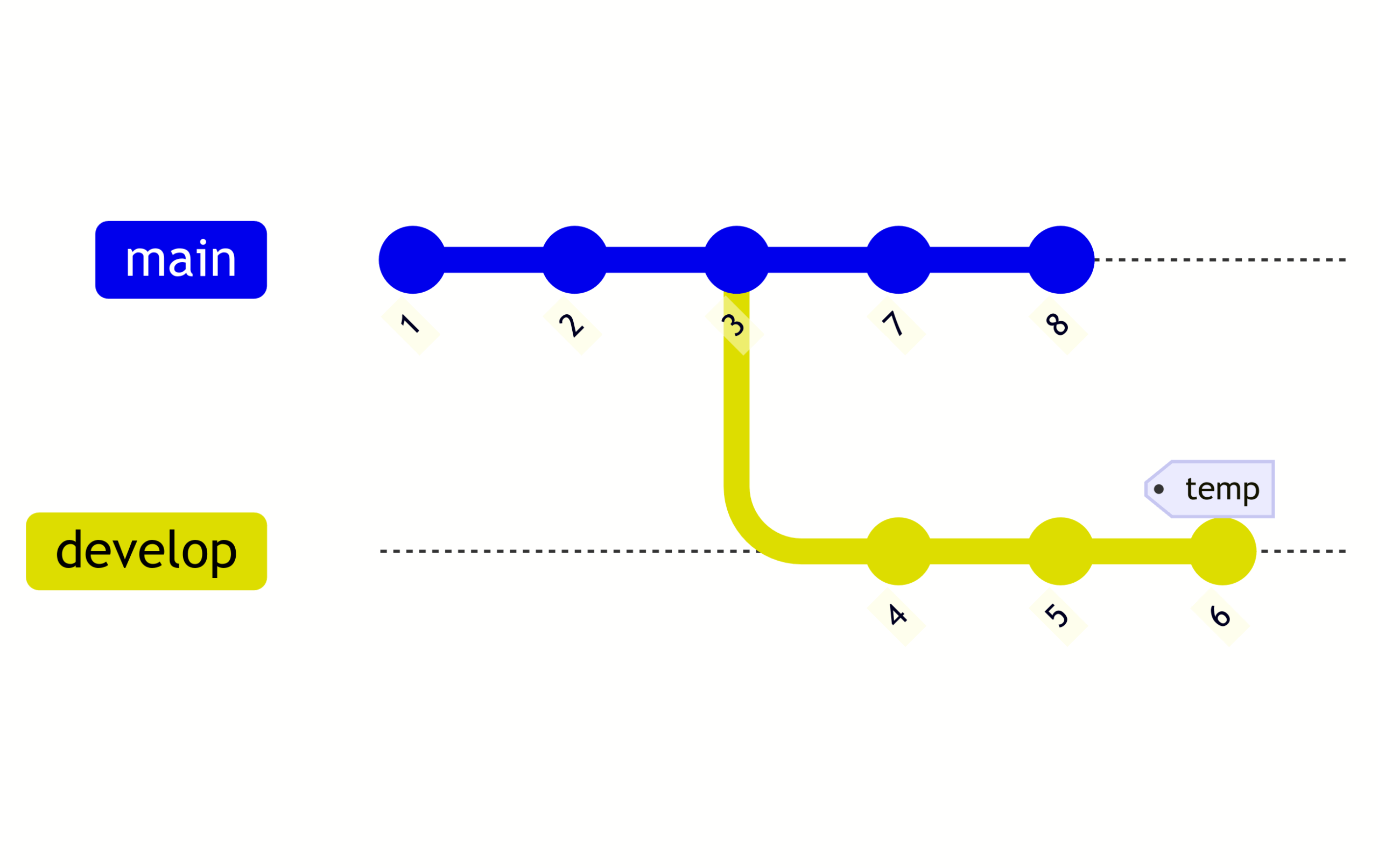
We will talk about two powerful Icechunk operations: expiration and garbage collection. They are related, so we usually refer to both under the name of garbage collection or simply GC. We will explain what each of them does, why you may want to use them, and how to do it safely and effectively. The
Staff Engineer

Why scientists, data engineers, and developers are turning to Zarr Often the biggest bottleneck in your workflow isn’t your code or your hardware, but the way your data is stored. Data formats can limit–or unlock–what you’re able to do with your data. In modern science and data-intensive computing,
Software Engineer
We recently got an interesting question in Icechunk's community Slack channel (thank you Iury Simoes-Sousa for motivating this post): I'm new to Icechunk. How is the storage managed for redundant information between different versions of a data repository? Icechunk keeps your data versioned, allowin
Staff Engineer
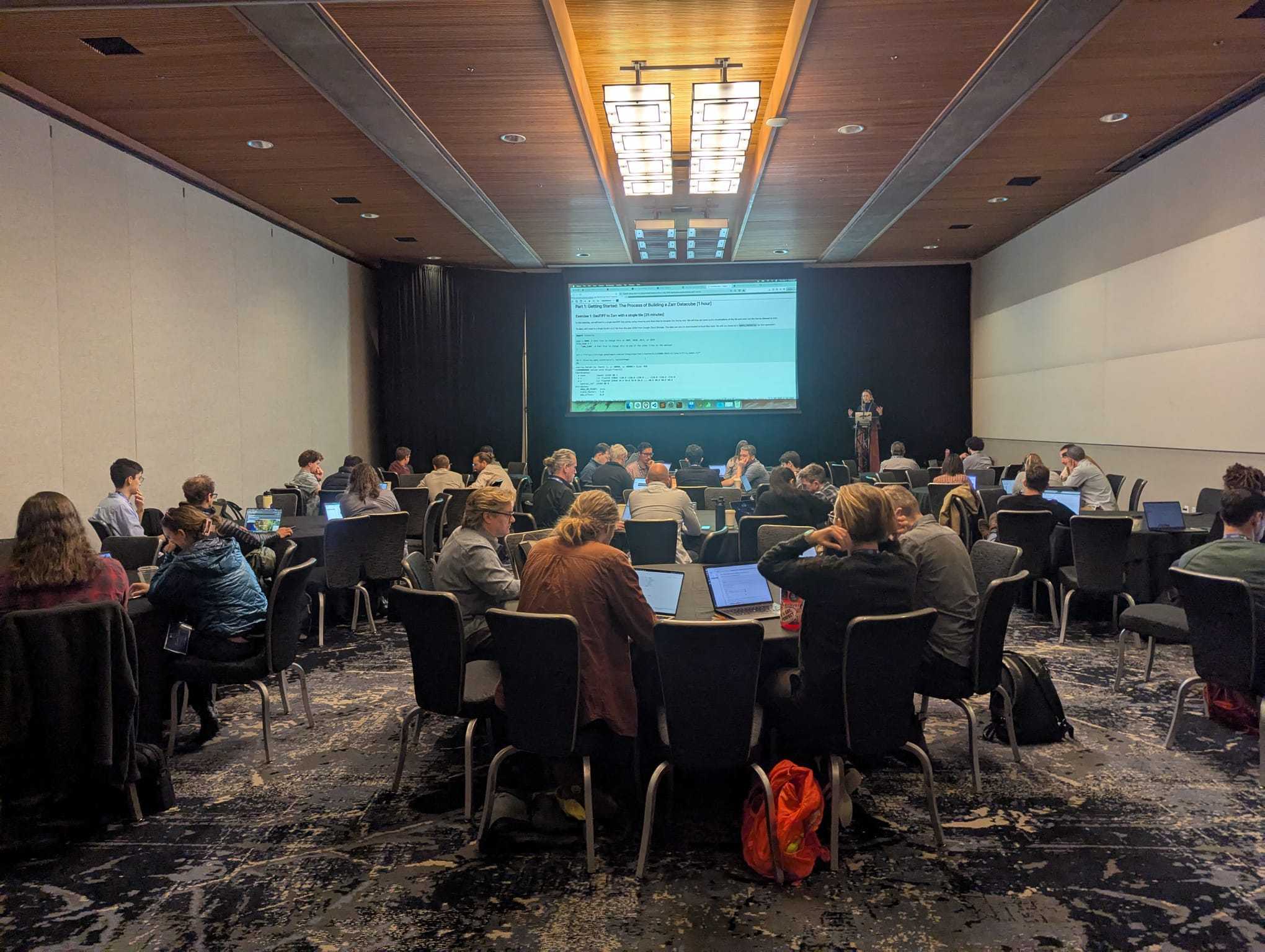
Our takeaways from the Cloud-Native Geospatial conference on Zarr's surging adoption and its impact on the future of Earth Observation data. Our team just returned from an action-packed week at the Cloud-Native Geospatial conference in beautiful Snowbird, Utah, and the key takeaway was unmistakable:

CTO & Co-founder
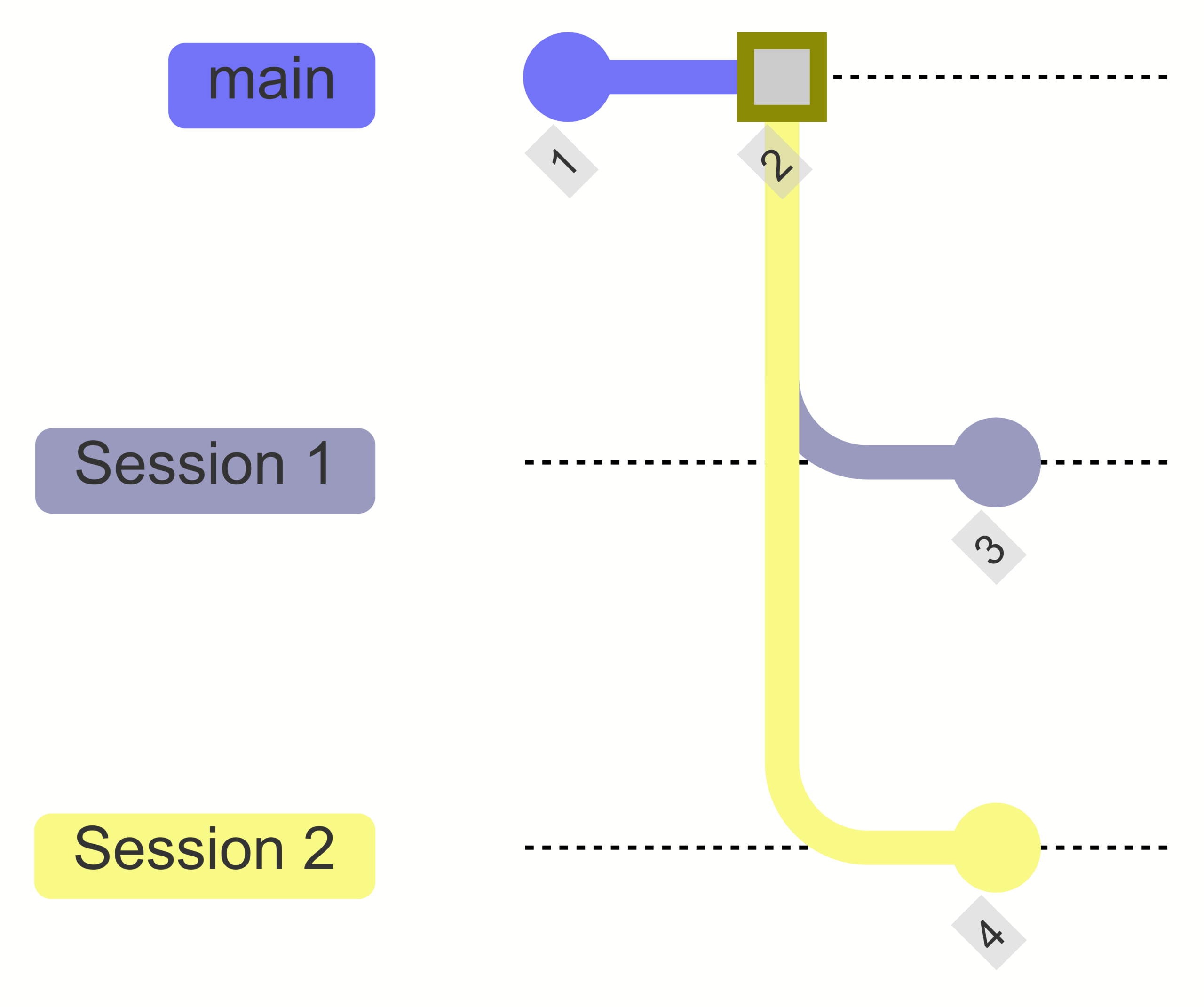
In this post we'll show what can happen when more than one process write to the same Icechunk repository concurrently, and how Icechunk uses transactions and conflict resolution to guarantee consistency. For this, we'll use a commonplace example: bank account transfers. This is not a problem you wou
Staff Engineer
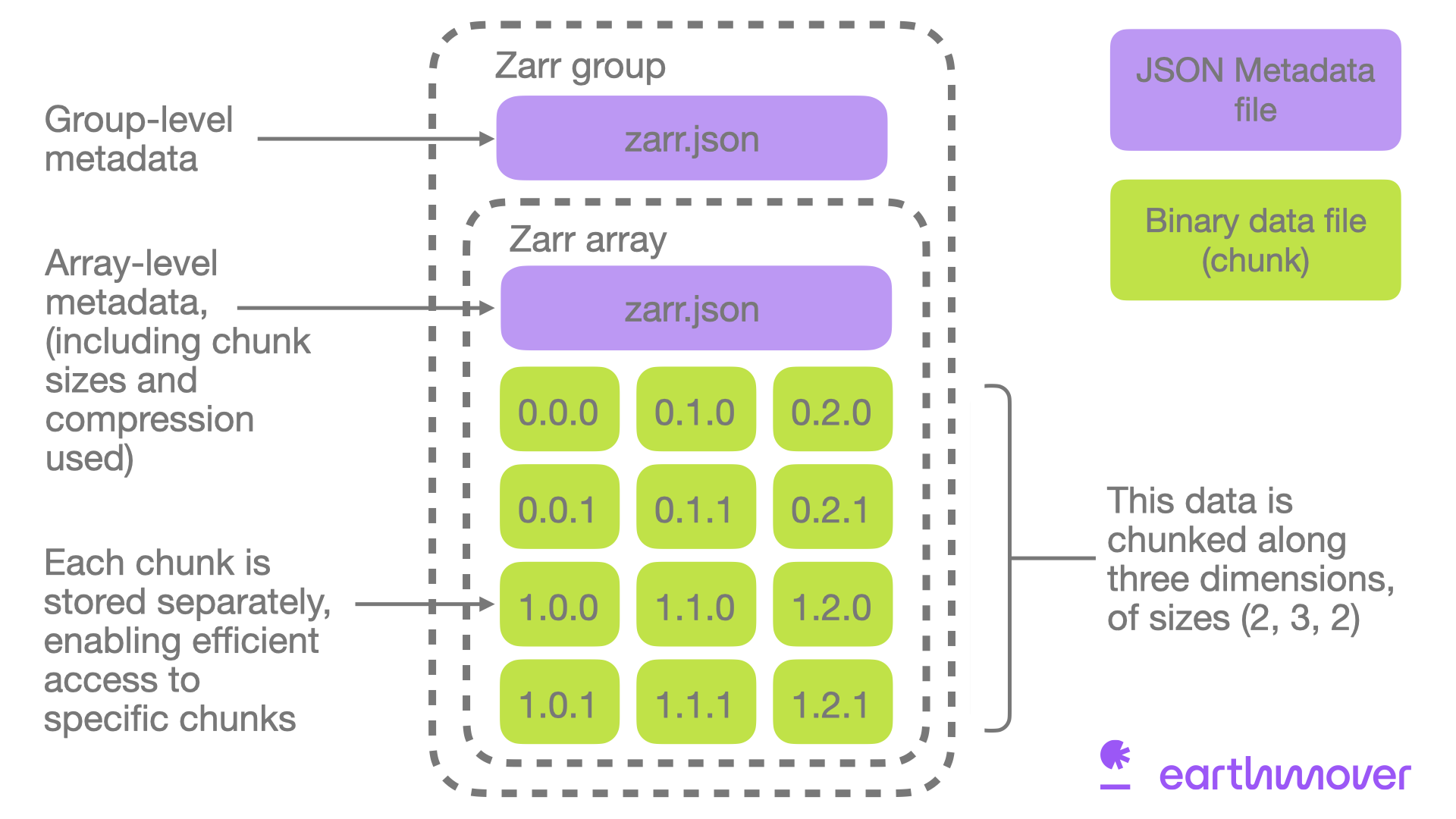
Why naively lifting scientific data to the cloud falls flat. Scientific formats predate the cloud There are exabytes of scientific data out in the wild, with more being generated every year. At Earthmover we believe the best place for it to reside is in the cloud, in object storage. Cloud platforms

Software Engineer
We at Earthmover recently released the Icechunk tensor storage engine, a novel cloud-optimized storage format and library for large-scale array data. Built on Rust’s tokio async runtime, Icechunk delivers impressive gains in performance over today’s array storage engines (e.g. Zarr V2, netCDF). The
Staff Engineer
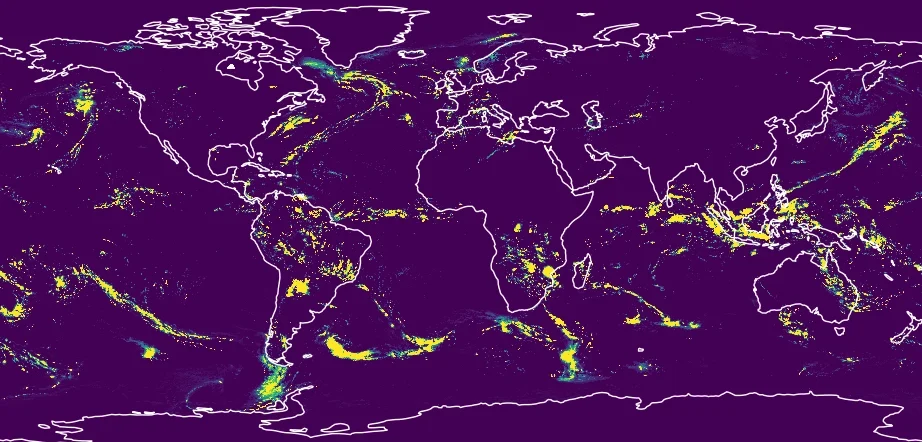
Summary NASA has been migrating over 100 petabytes of data from on prem systems to the cloud for the last several years and is now able to focus on measures of efficiency that were not possible before. Earthmover and Development Seed worked with NASA to pilot Earthmover’s open-source Icechunk tensor
CEO & Co-founder

TLDR We are excited to announce the release of the Icechunk storage engine, a new open-source library and specification for the storage of multidimensional array (a.k.a. tensor) data in cloud object storage. Icechunk works together with Zarr, augmenting the Zarr core data model with features that en
CEO & Co-founder